


12 Brutal Ecommerce Growth Strategies That Work in 2026
Let’s be honest for a second.
Running an online store right now feels a bit like trying to run up a down escalator. Competition is fierce, and customers have the attention span of a goldfish.
But the opportunity is huge. The global market for selling things online across borders will hit $1.21 trillion in 2025. You just need the right plan to get your share.
The ads are getting more expensive. The old playbook, where you could just throw money at Anuncios de Google or Amazon Ads, no longer guarantees success. Technology is changing fast, and customer habits are changing, too. You need more than a big budget; you need a solid e-commerce plan that really cuts through the noise.
Forget the general advice. Today, we offer 12 brutal, honest, and actionable strategies that actually work in 2026.
Let’s get to work.
1. Integrate SEO and AI Optimization
It’s not that the old SEO is dead, but with rapid tech changes, the traditional methods (like stuffing keywords and building links) no longer guarantee high traffic. Your customers’ search habits have fundamentally changed.
AI is the new gatekeeper. Google’s new AI features and tools like ChatGPT put answers together by reading many sources, like third-party review sites, community discussions, news, and media coverage, and helpful support documents and guides.
How to integrate SEO and AI optimization?
To win the modern traffic game, you have to earn the AI’s trust by showing up where people talk honestly about you:
- Turn Reviews into SEO: The AI trusts independent reviews more than your own site. Make getting reviews a priority. Send follow-up emails right after purchase, asking for an honest review. Respond to every comment to show you are an active brand.
- Be Smart in Communities: Stop pushing sales pitches in forums like Reddit and Quora. Instead, genuinely answer user questions and offer real solutions. When you become a helpful expert, the AI sees your brand as credible and trustworthy.
- Structure Your Content: AI loves clean, structured content. Always break up long paragraphs using clear titles, short lists, and FAQ sections. Make it easy for the AI to copy and paste your answer.
- Write for Decision-Making: Focus on “Buyer’s Guides” and “Comparison Lists.” These articles help people decide what to buy, and these are the exact questions customers often ask AI.
AI optimization doesn’t mean you stop doing SEO. It means that while the goal of SEO (building authority and trust) hasn’t changed, the places the AI looks to find that authority have gotten much wider. You must optimize those new sources now.
2. Make Content People Want to Watch
Nobody wakes up hoping to see your sales pitch. People use social media for two reasons: entertainment or education. Your content needs to deliver one of those two things first.
You need to tailor your video strategy to the platform’s primary intent:
- Short-Form (Tik Tok, Reels, Shorts): This audience is here for entertainment and fun. Your content should be fast, highly visual, and focus on shock value or humor. The primary goal is achieving viral spread.
- Long-Form (YouTube): This audience is here for helpful information and education. Your videos must be detailed “Buyer’s Guides,” “How-To Tutorials,” or “Deep Dive Comparisons.” This content builds your reputation as an expert and catches people who are serious about buying.
Your goal is to get people to share your content, not just buy from it. If they watch the whole video, the algorithm will push it to thousands more people, and the sales will follow organically.
3. Partner with Influencers
Your own video content is essential, but to grow bigger and build trust outside your brand, you need partnerships.
The old plan was to throw money at celebrities or huge influencers. For small stores, this is a massive and pointless cost. Big influencers charge a huge fee, and most customers skip their sponsored posts anyway.
The smart money is on Micro-Influencers, people who truly love your product and have a loyal audience.
- Focus on Trust, Not Reach: Look for creators who genuinely use or care about what you sell. Their audience believes them, translating directly to higher conversion rates.
- The Power of Alignment: Fan count doesn’t matter; stickiness does. Find partners whose niche perfectly matches your product. A few thousand deeply engaged fans are worth more than a million casual followers.
- Lower Cost: You don’t need a massive budget. Often, a free product and a small commission or affiliate link are enough to secure high-quality, authentic content that performs well.
4. Leverage Physical Events
The first three strategies rely heavily on the internet. But in e-commerce, showing up in person is the fastest way to earn trust. When you meet people face-to-face, you instantly erase the doubt they have about ordering from a website.
You could attend local markets, trade shows, and specialty fairs. This puts your brand right in front of your best customers. When they can physically touch your product and ask you questions directly, it instantly removes their worry about ordering online.
Furthermore, these events are also super important for finding new partners and proveedores. If you are looking for serious growth and global suppliers, big events like the Feria de Cantón or visiting the Yiwu Market are extremely helpful.
5. Fix Your Mobile Site
Every strategy so far, from viral videos to influencer partnerships, is designed to get people to your website. But all that traffic is useless if your site leaks money.
According to Statista, the percentage of global website traffic coming from mobile devices hit 62.73% in 2025. If your site is slow, complex, or broken on a phone, you will not make sales. Mobile is not just a small part of your business; it is the entire store.
6. Automate the Boring Work
Time is your most valuable thing. If you spend hours every week answering the same few customer questions, writing reports by hand, or updating tracking numbers, you are losing money. A growing business simply cannot afford to waste time on the same old tasks.
- Servicio al Cliente: Implement simple automated chatbots to handle basic customer service and order tracking 24/7. You can also use automated tools to write quick email titles or quickly summarize customer feedback.
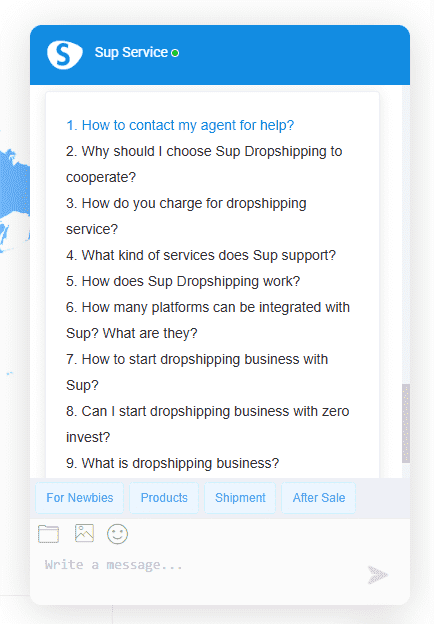
- Operations and Cumplimiento: Automation starts with core operations. Stop emailing spreadsheets to your supplier by hand. When a sale hits your store, the order details should go straight to the warehouse using a connected system. This automatically takes away all the manual work of order processing, freeing you up to focus on growth.
7. Simplify Payment and Checkout
35% of shoppers leave their carts if they can’t find their favorite way to pay. Since digital and mobile wallets are the most popular choices worldwide, you must offer the basic options like credit cards and PayPal. You also need to check your customer map and offer the local payment types that are very common in specific countries.
See more strategies on Ecommerce Payments Explained: A Simple Guide for Online Store Owners
However, payment options are only half the battle. You need to make the checkout totally easy. You should offer Express Checkout options like Apple Pay or Shop Pay. These let customers buy with just one tap because the system fills in their address and card details automatically.
Finally, hidden shipping costs or taxes at the last step kill sales. Make sure the final price is clear upfront.
8. Use Bundles and Upsells

Getting a customer to click “Buy” is hard work. Once they decide to buy, your next job is simple: Make their order bigger. Since you already paid to get them to your store, almost every extra dollar they spend goes straight into your profit. You can show the customer something else they might need before they check out.
There are a few smart ways to do this.
Use Upsells by showing them a slightly better, more expensive version of the item they are looking at. If they put a basic phone case in their cart, show them the super durable one and tell them why it’s worth the extra money.
Another way is to use Bundles. Combine a few related products together and sell them for a small discount as a “package deal.” For example, if a customer buys a camera, offer a kit that includes a cleaning cloth and an extra battery. Customers love this because it’s convenient, and it instantly boosts the total value of their order.
9. Sell to the World
The size of the market in a single country is small, but the world is huge. You must stop thinking of your business as local and start seeing it as global.
Global selling is simpler than you think, mainly because of envío directo. This model lets you run an online store without the traditional complexities, meaning you don’t need a huge warehouse in Paris or New York to start selling there. Your fulfillment partner handles the inventory and shipping for you.
To start, you don’t need to attack every country at once. Instead, start small by targeting specific, high-value markets. Look at countries where people are known to buy online. Next, focus on mastering your shipping. Offer affordable, reliable shipping rates, and remember, clear communication about when the order will arrive is just as important as the price. You can use the simplicity of dropshipping to turn your small store into a global brand.
10. Don’t Ignore Email

As of early 2025, nearly three-quarters of marketing professionals reported that they spend at least 5% of their budget on email. This shows just how important email is.
You can set up four main automatic email campaigns to get the most money from every customer.
- Welcome Series: When someone signs up, send them a few emails introducing your brand and offering a small discount to encourage that first purchase.
- Abandoned Cart email: If a customer adds a product and leaves, send them a reminder one hour later. This easily brings back thousands of dollars in lost sales.
- Follow-Up Email: a few days after delivery to ask for a review and suggest related products they might need next.
- Win-Back Email: for customers who haven’t purchased in three or four months. Send them a simple message with a strong discount or a new product announcement to bring them back to the store.
Leer más: Diez estrategias de marketing por correo electrónico para dropshipping
11. Personalize Recommendations
Customers now expect you to know who they are and what they want. Collecting data isn’t just a spreadsheet task; it’s the only way to give your customers a VIP shopping experience.
Cuando un cliente comes to your site, you should be showing them products based mainly on two key pieces of information.
First, look at what they already bought. For instance, if they bought a coffee maker last month, don’t show them that same item again; instead, show them related cleaning tablets or better coffee beans.
Second, pay attention to what they looked at. If they spent 10 minutes looking at dog toys but didn’t buy one, make sure to put dog toys on the homepage and in the product suggestion bar.
By tracking what people click, view, and ignore, you can make perfect suggestions in the cart, on the homepage, and in your email campaigns. This is the fastest way to raise your conversion rates and get customers to spend more money in a single order.
12. Never Stop Testing

The fastest way to grow in e-commerce isn’t guessing; it’s testing. Algorithms change, customer habits shift, and what worked last month might stop working tomorrow. That’s why a real e-commerce growth plan is built on constant experiments.
Pensamientos finales
You now have a complete, action-oriented playbook of 12 growth strategies.
The truth is, you can’t do everything at the same time. The first step is choosing what matters most. Focus on the strategies that clearly help your customers and help your business grow. Cut the things that don’t make a real difference.
After that, make a clear plan. Decide which strategies you’ll start with, which ones can wait, and how you’ll check your progress. Growth doesn’t happen overnight; it’s the result of taking small, consistent actions.
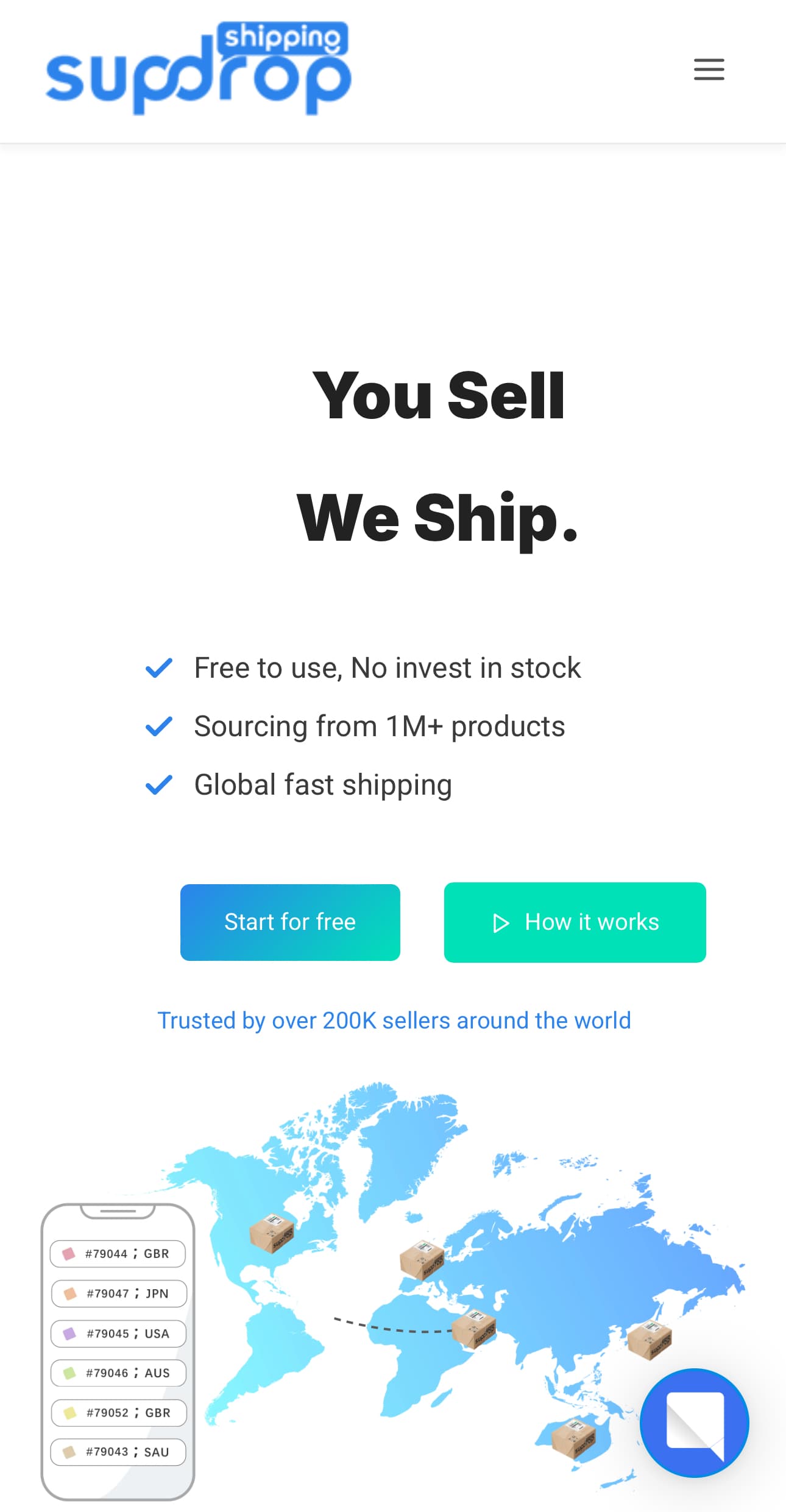
And if you’re running a dropshipping business, tools can help you move faster. A platform like Sup Dropshipping can take care of product sourcing, fulfillment, and shipping, so you can spend more time testing new ideas and improving the parts of your business that matter most. If you ever have questions or want help with anything, feel free to leave a comment or Contáctenos anytime.
Sobre el Autor

Puede
May es bloguera de Sup Dropshipping con más de 5 años de experiencia en comercio electrónico. La pasión de May por el comercio electrónico la impulsa a mantenerse actualizada sobre las últimas tendencias y compartir su experiencia con usted a través de su blog. En su tiempo libre le gusta leer una novela o charlar con amigos.

Deja una respuesta